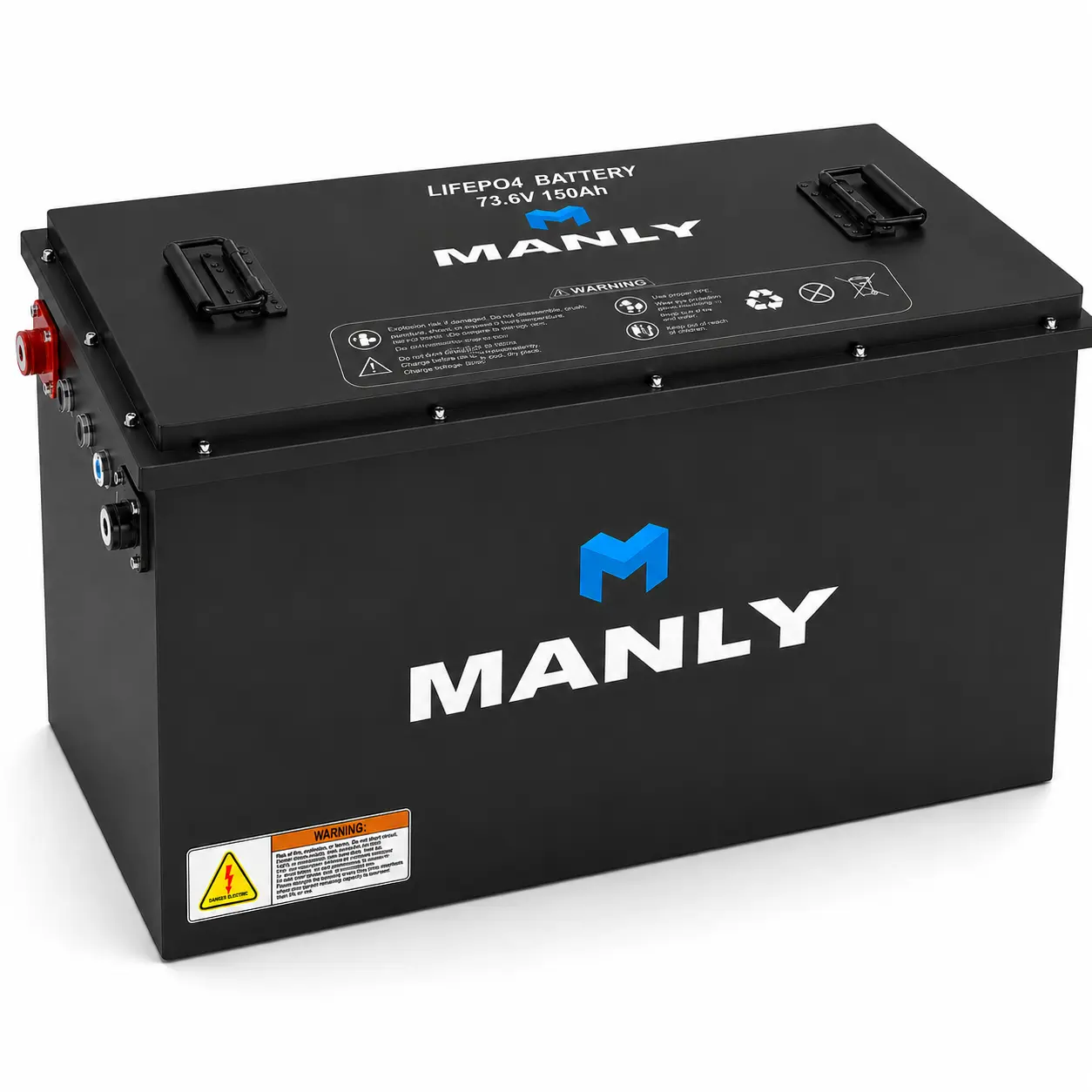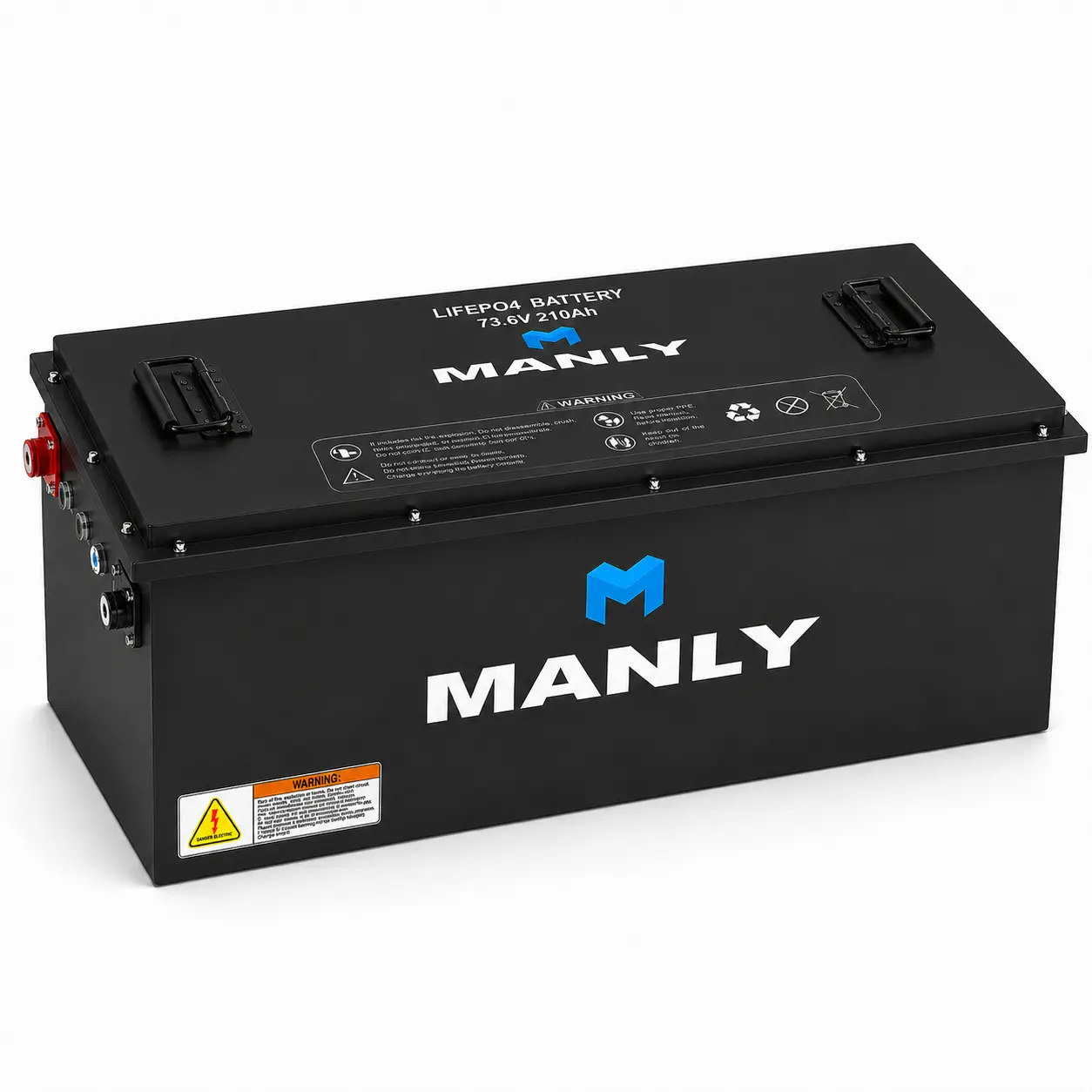
Power profile
Continuous load, surge current, runtime and duty cycle.
Fleet · Utility · Low-Speed Vehicles
Battery systems for golf carts, utility carts and low-speed vehicles. We review motor-controller current, charger, compartment, range target and dashboard communication before confirmation.
DESIGN PRIORITIES
A reliable configuration starts with the operating conditions—not only nominal voltage and capacity.
Continuous load, surge current, runtime and duty cycle.
Charge source, voltage window, communication and connectors.
Available space, orientation, mass, enclosure and mounting.
Temperature, ingress exposure, vibration and service access.
CONFIGURATION SCOPE
Application · voltage window · capacity or runtime · continuous and peak current · size · communication · quantity
Send project detailsRELATED PRODUCTS
SERIES SPECIFICATION
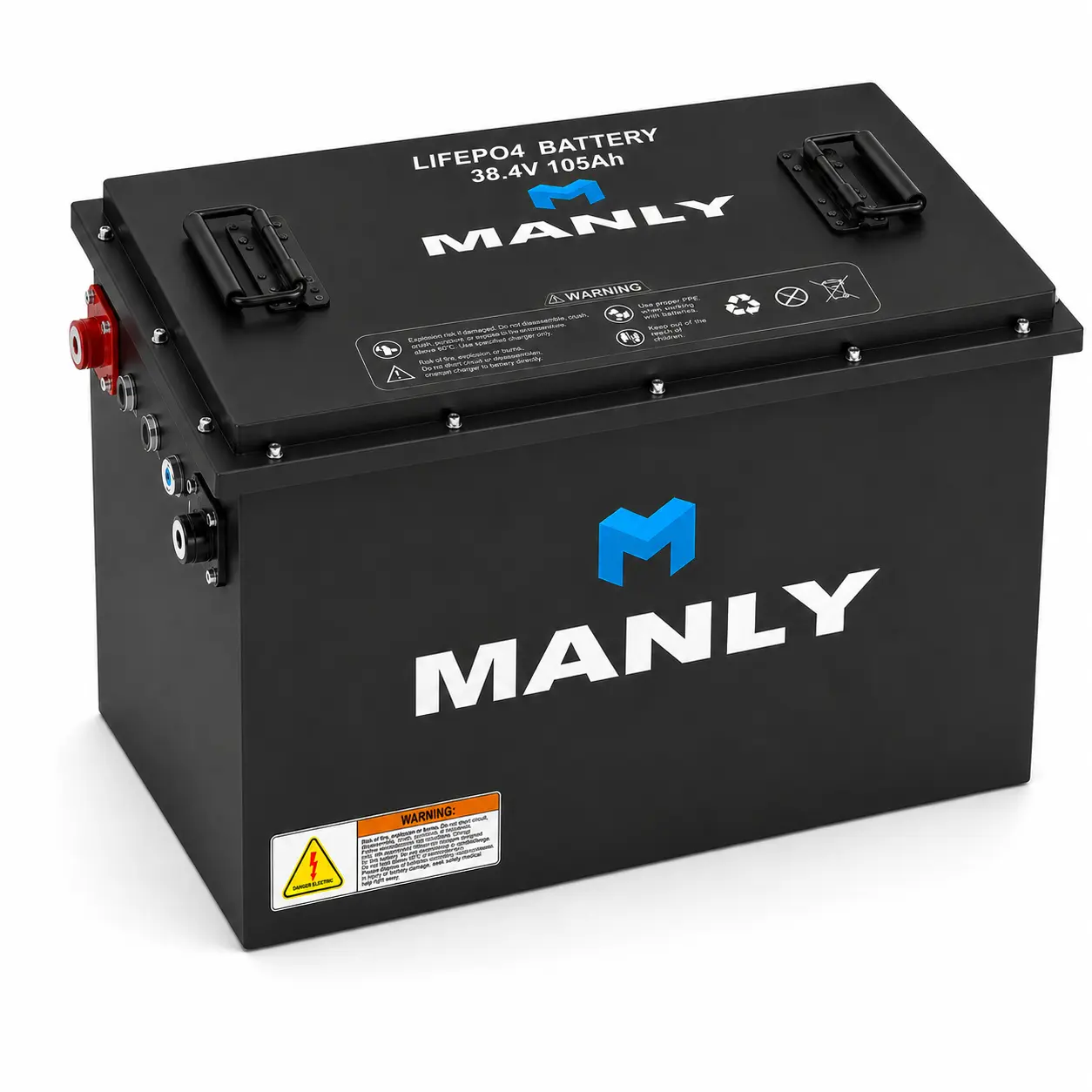
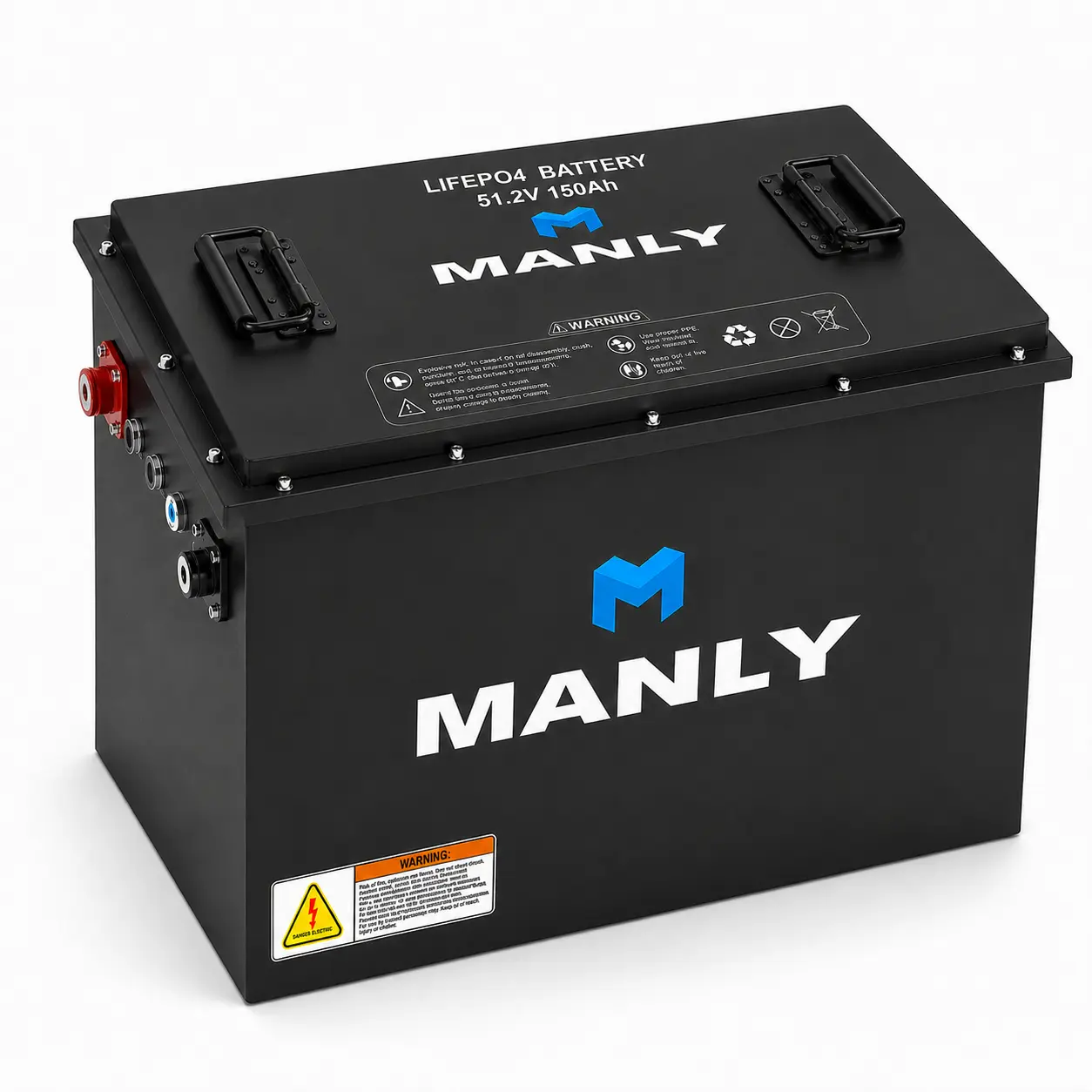
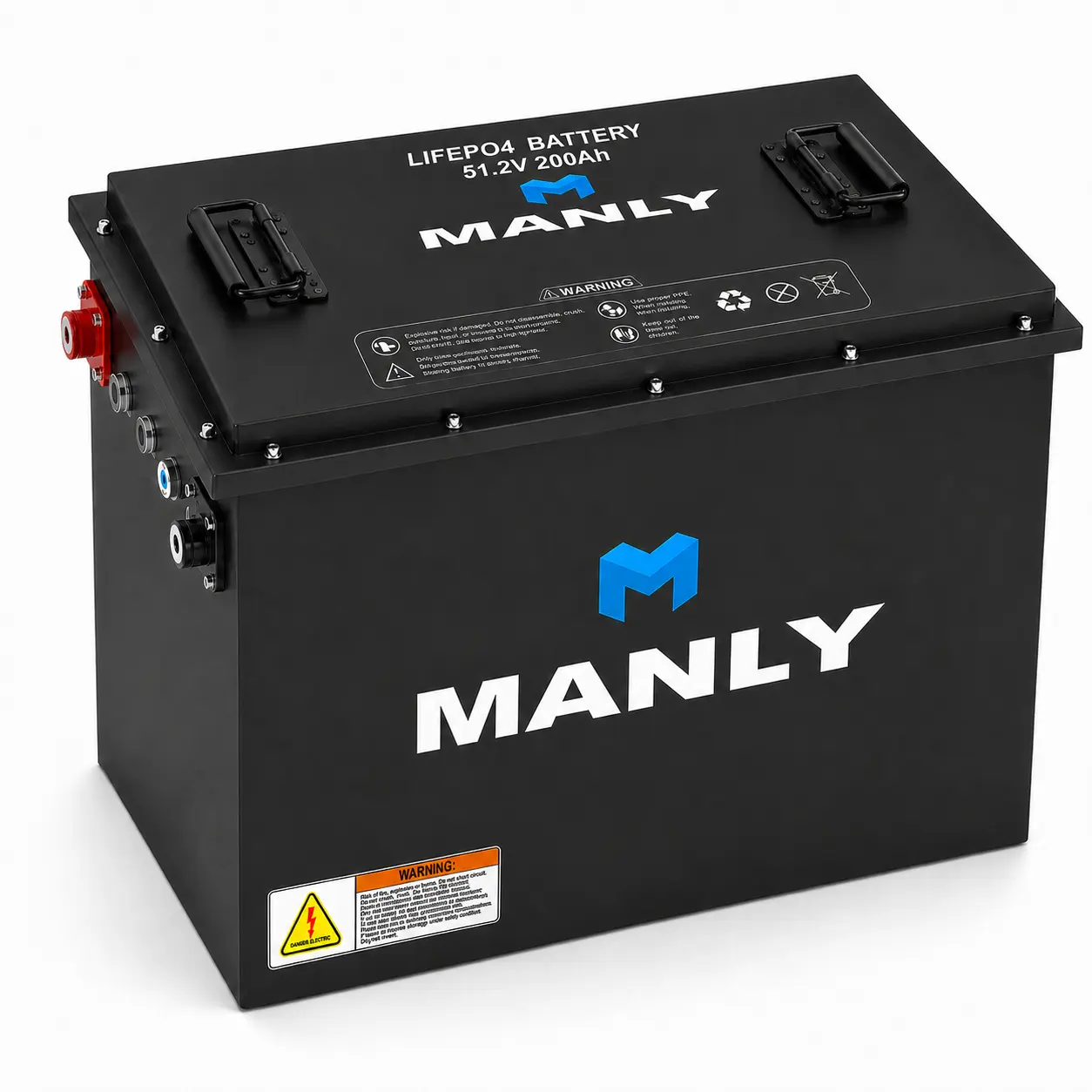
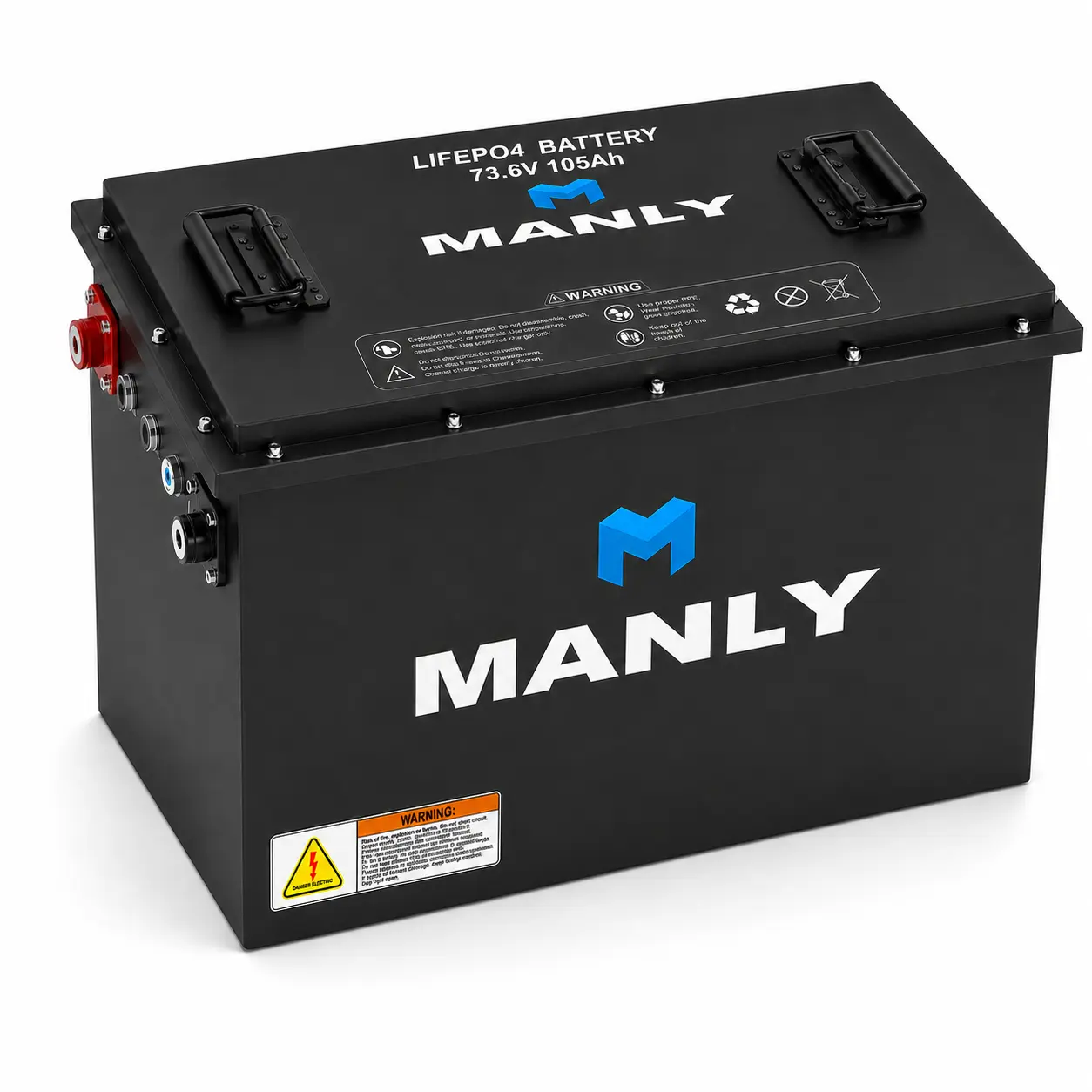
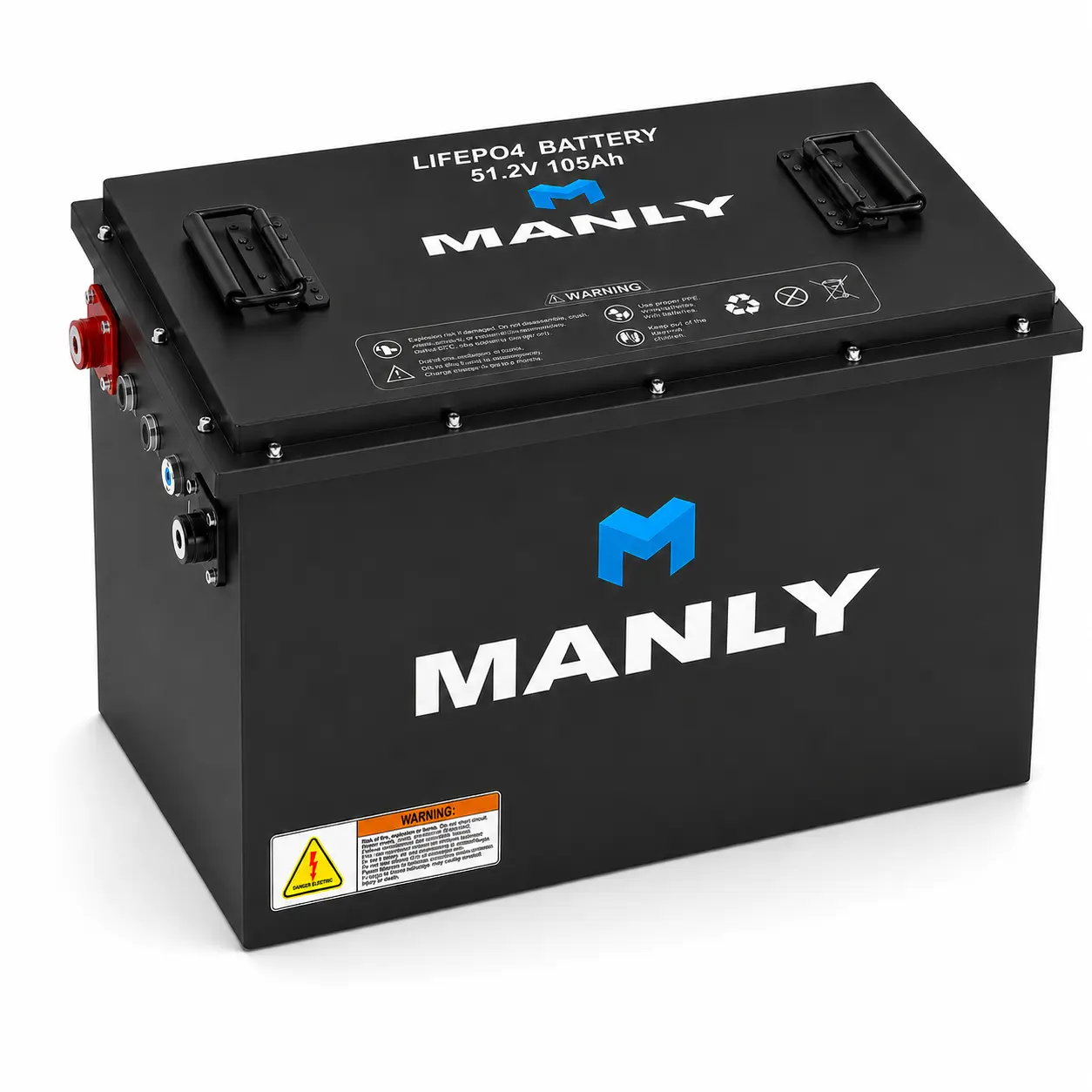
36V-, 48V- and 72V-class standard platforms, model specifications, charger choices and vehicle-integration notes.
MATCHING CHARGER
Select a lithium charging setup matched to the battery voltage, charging current and vehicle-side connector.
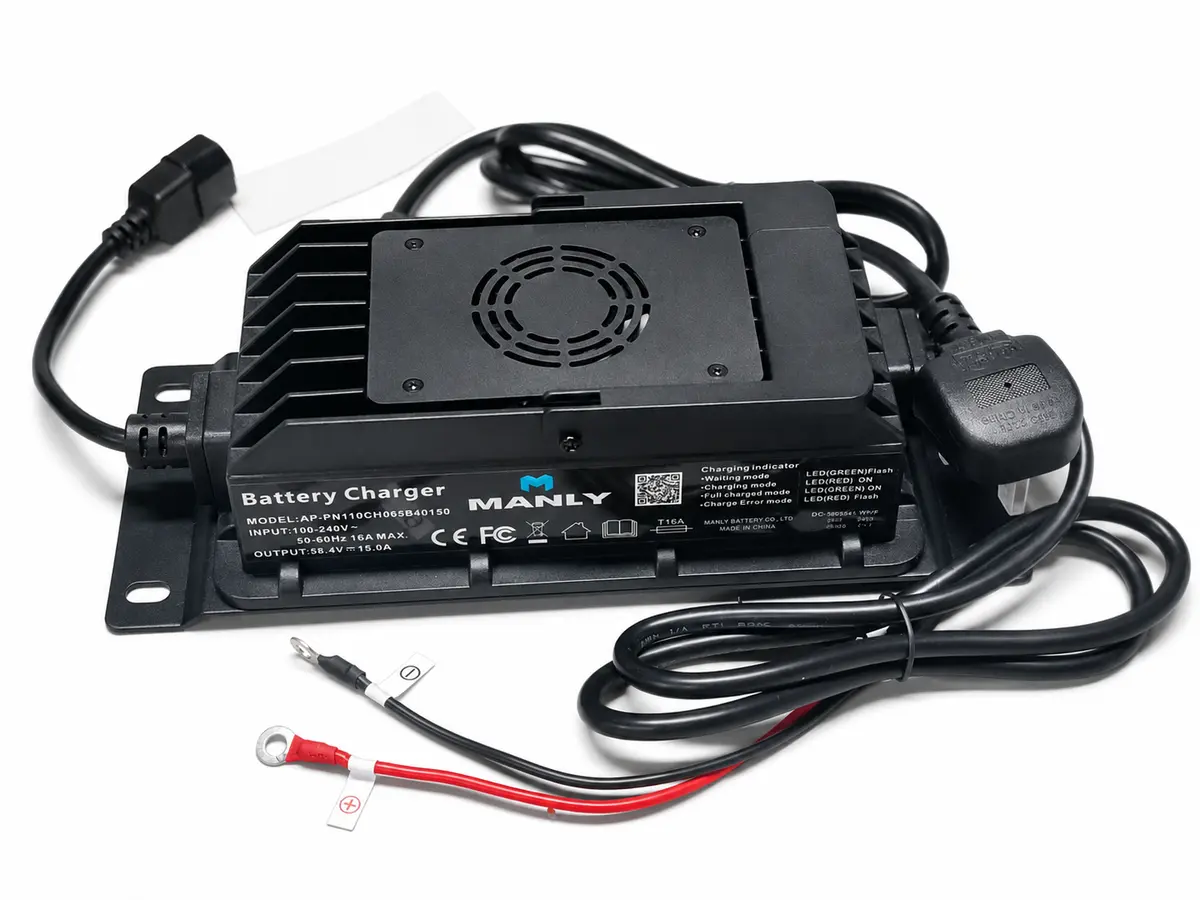 Reference IP65 charger format
20A is the recommended charging option; a 15A economy option is also available. Output voltage and connector are matched to the selected 36V-, 48V- or 72V-class battery.
Compatibility is confirmed against the exact battery model, charging source, connector and installation before order.
GOLF CART / LSV FAQ
Match the controller, compartment and charger—not just the nominal voltage.
View all frequently asked questionsThe common LiFePO4 routes are 38.4V, 51.2V and 73.6V, but the final choice must be checked against the motor controller, voltage limits, dashboard and charger. We do not treat nominal voltage alone as proof of compatibility.
 Featured