Power profile
Continuous load, surge current, runtime and duty cycle.
Caravans · Motorhomes · House Power
RV batteries are selected around daily energy use, charging sources, inverter surge, compartment dimensions and temperature exposure. Standard platforms can be modified after application review.
DESIGN PRIORITIES
A reliable configuration starts with the operating conditions—not only nominal voltage and capacity.
Continuous load, surge current, runtime and duty cycle.
Charge source, voltage window, communication and connectors.
Available space, orientation, mass, enclosure and mounting.
Temperature, ingress exposure, vibration and service access.
CONFIGURATION SCOPE
Application · voltage window · capacity or runtime · continuous and peak current · size · communication · quantity
Send project detailsRELATED PRODUCTS
SERIES SPECIFICATION
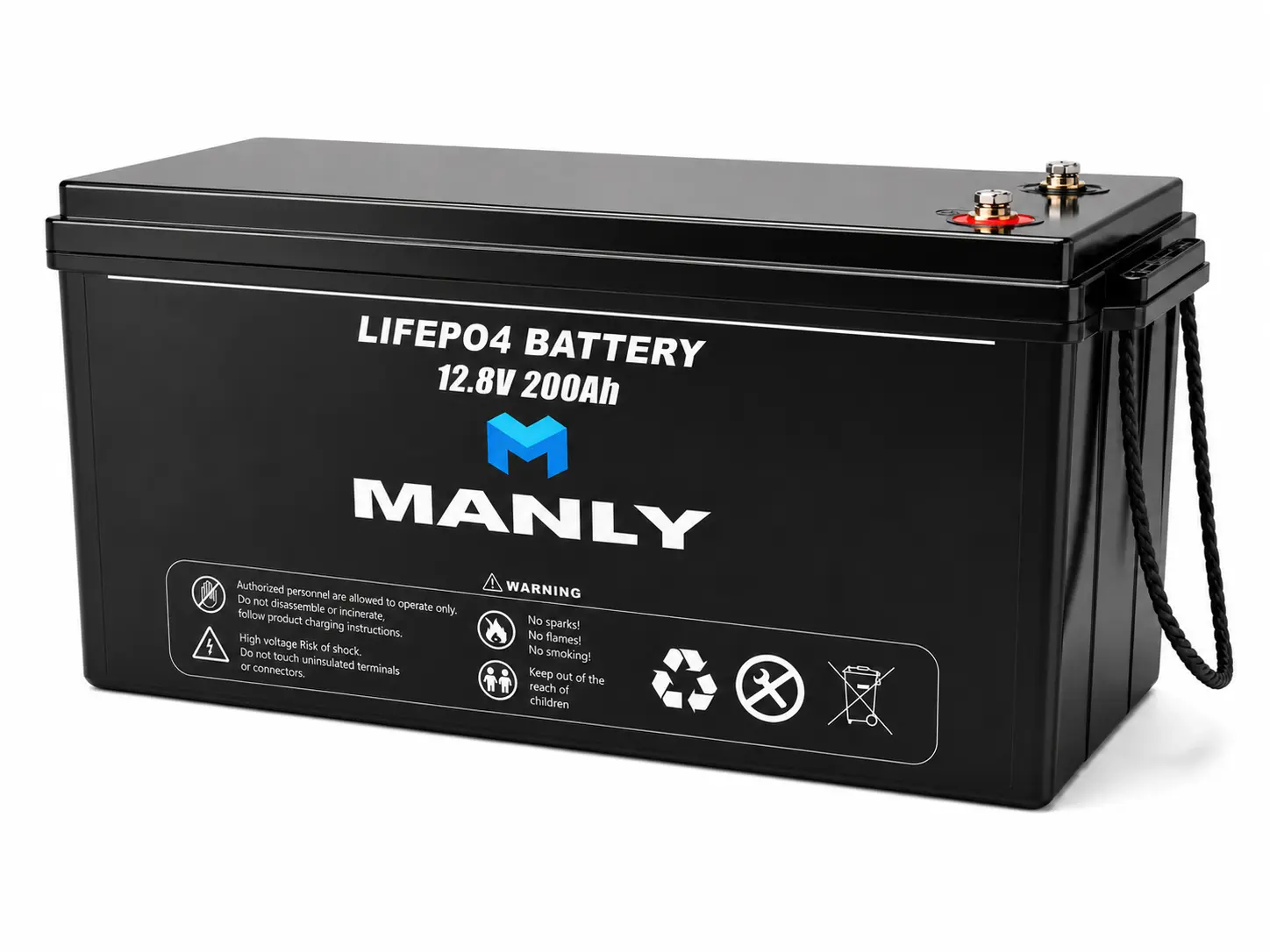
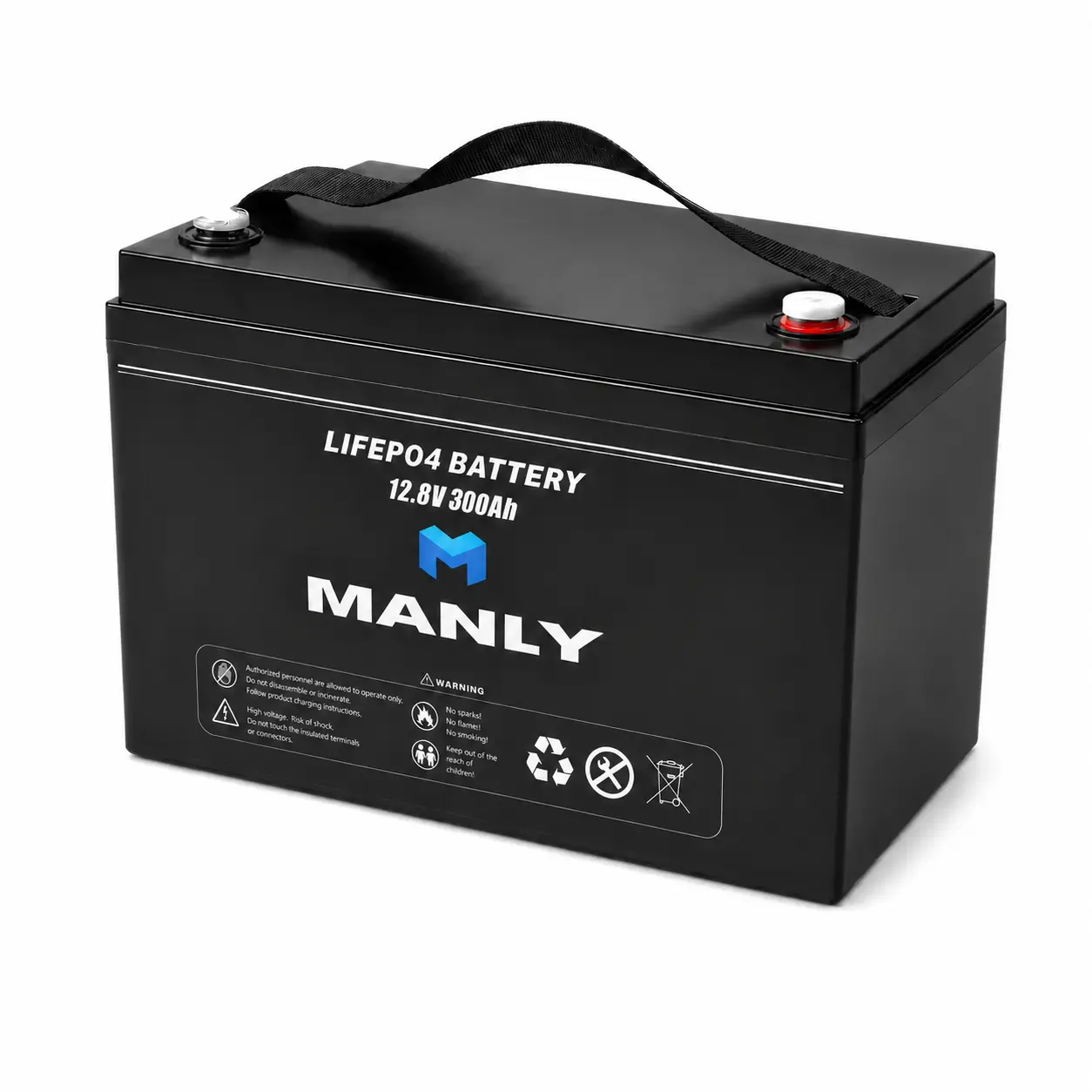
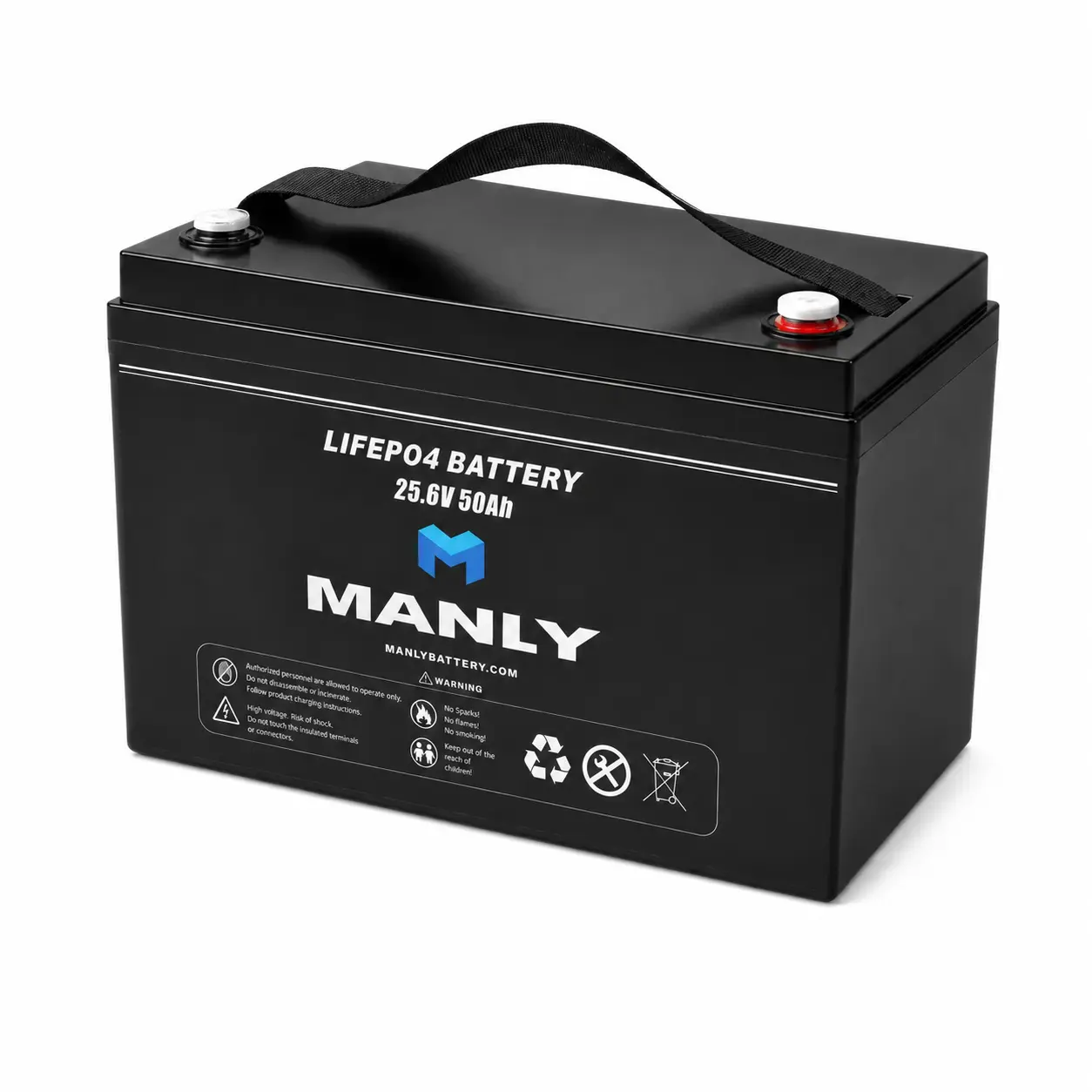
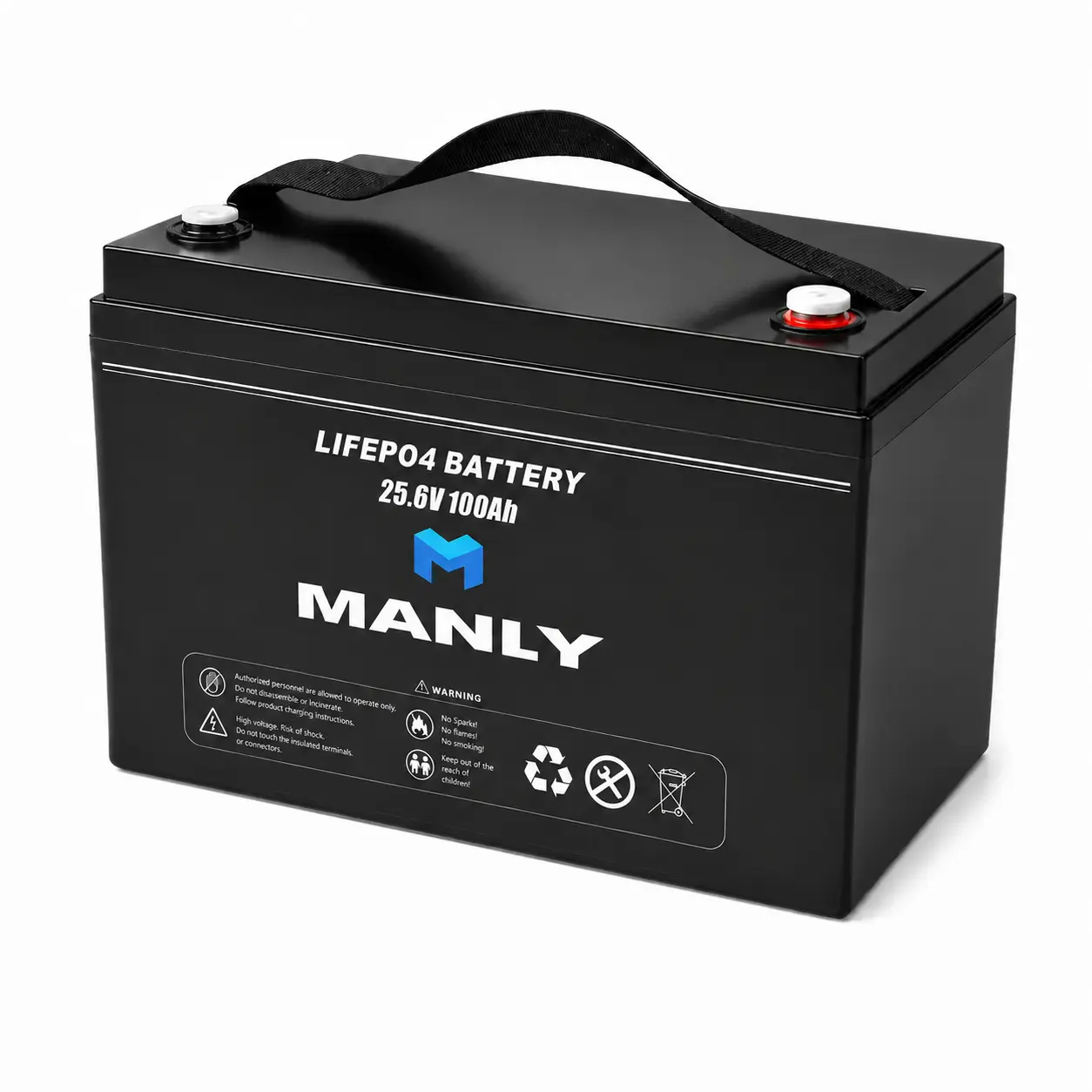
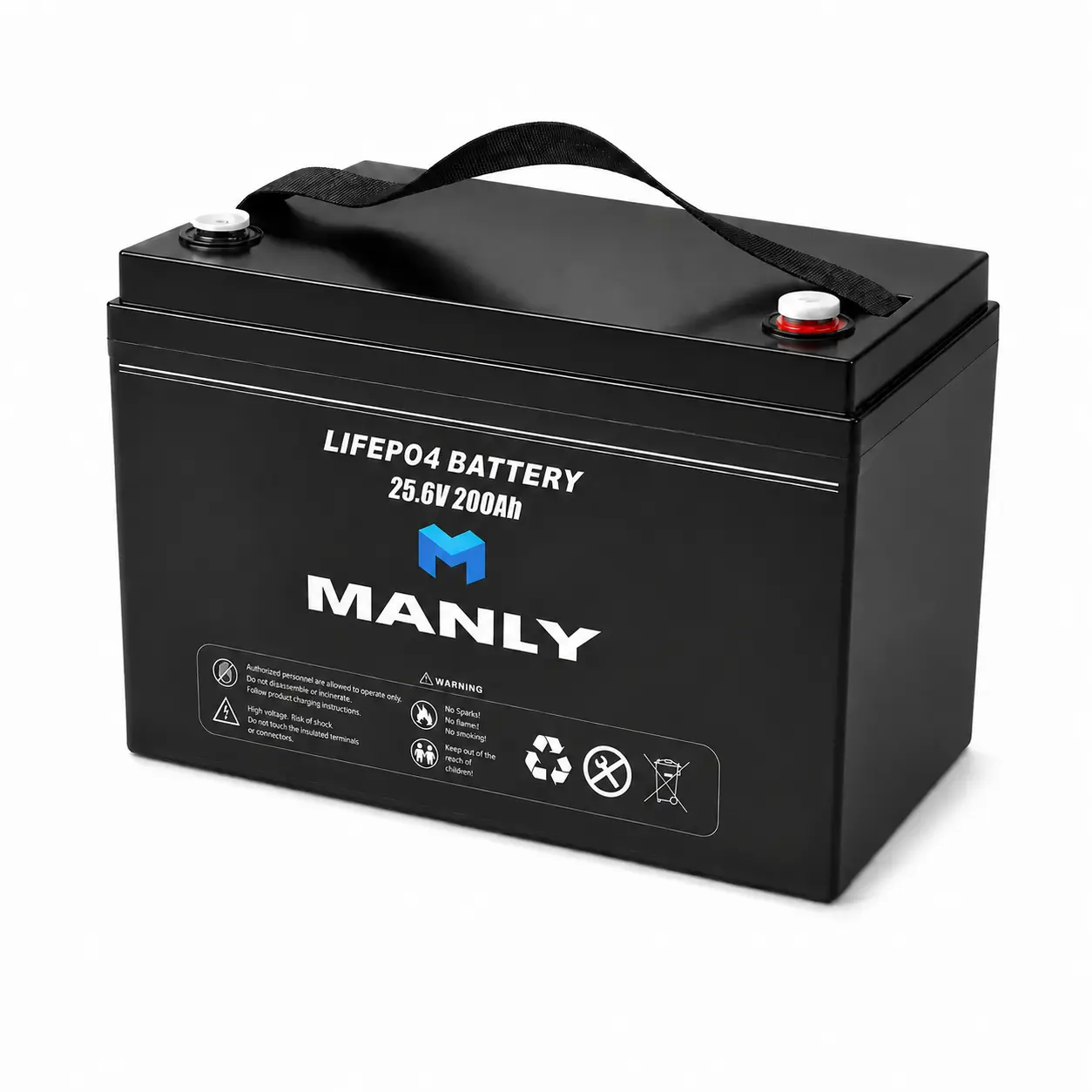
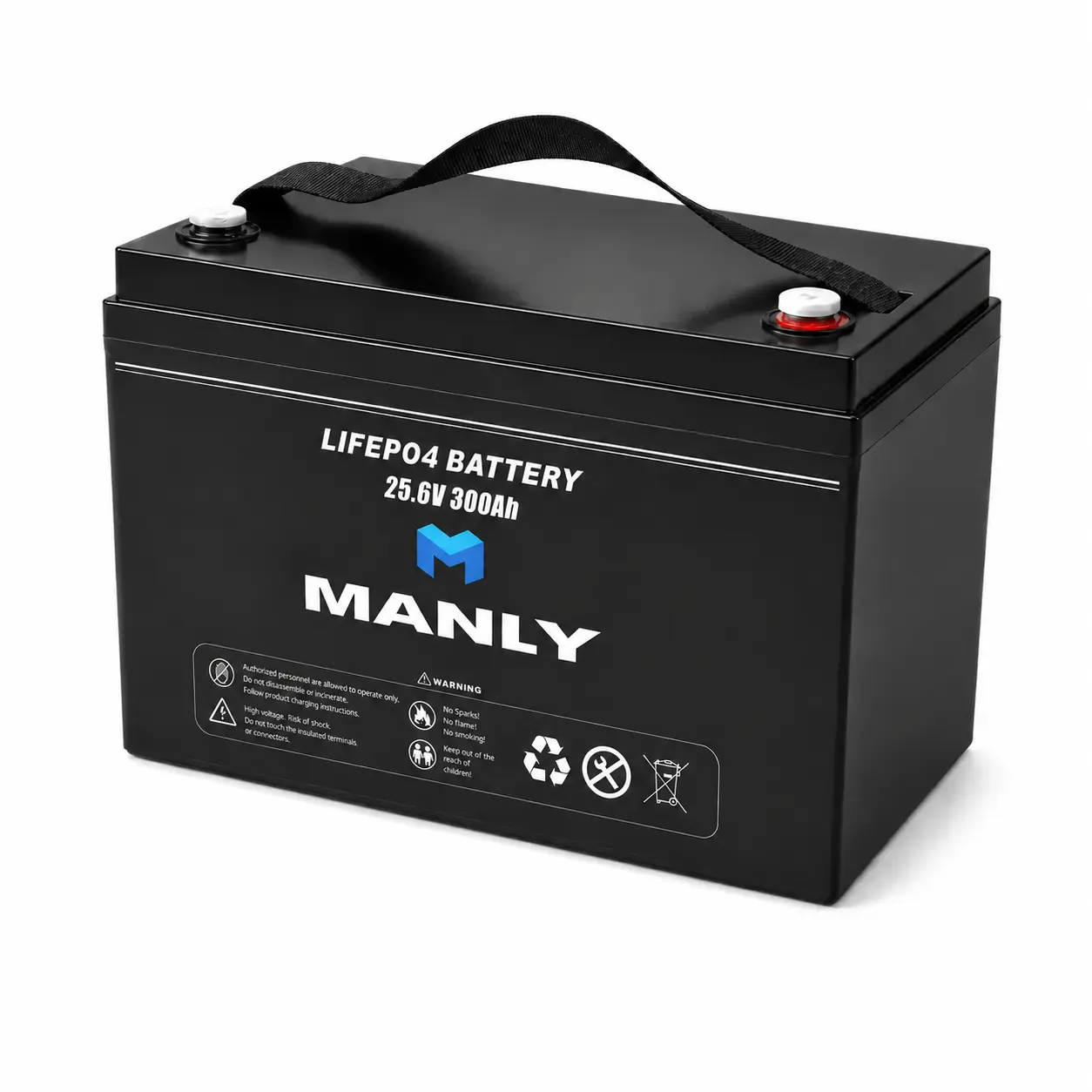
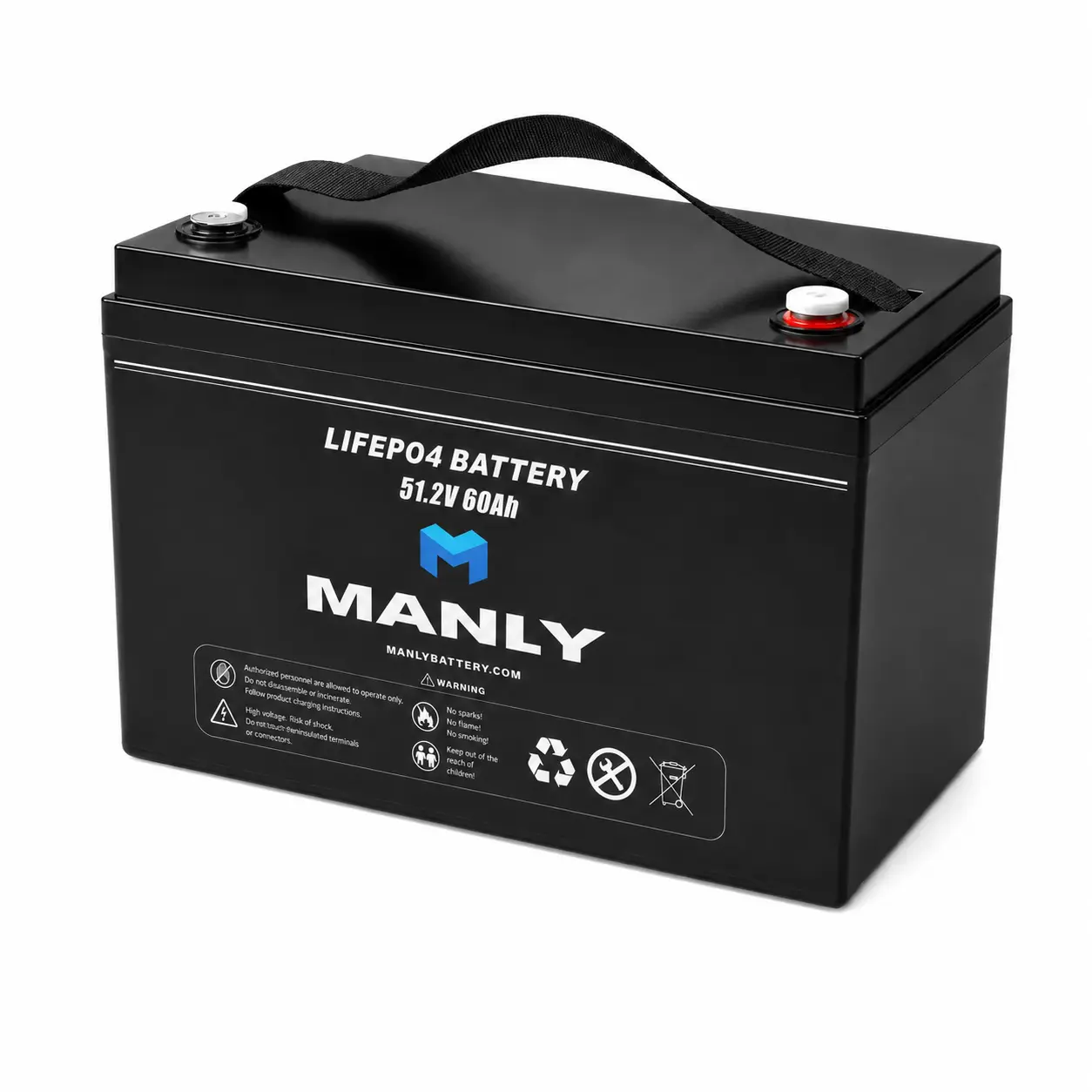
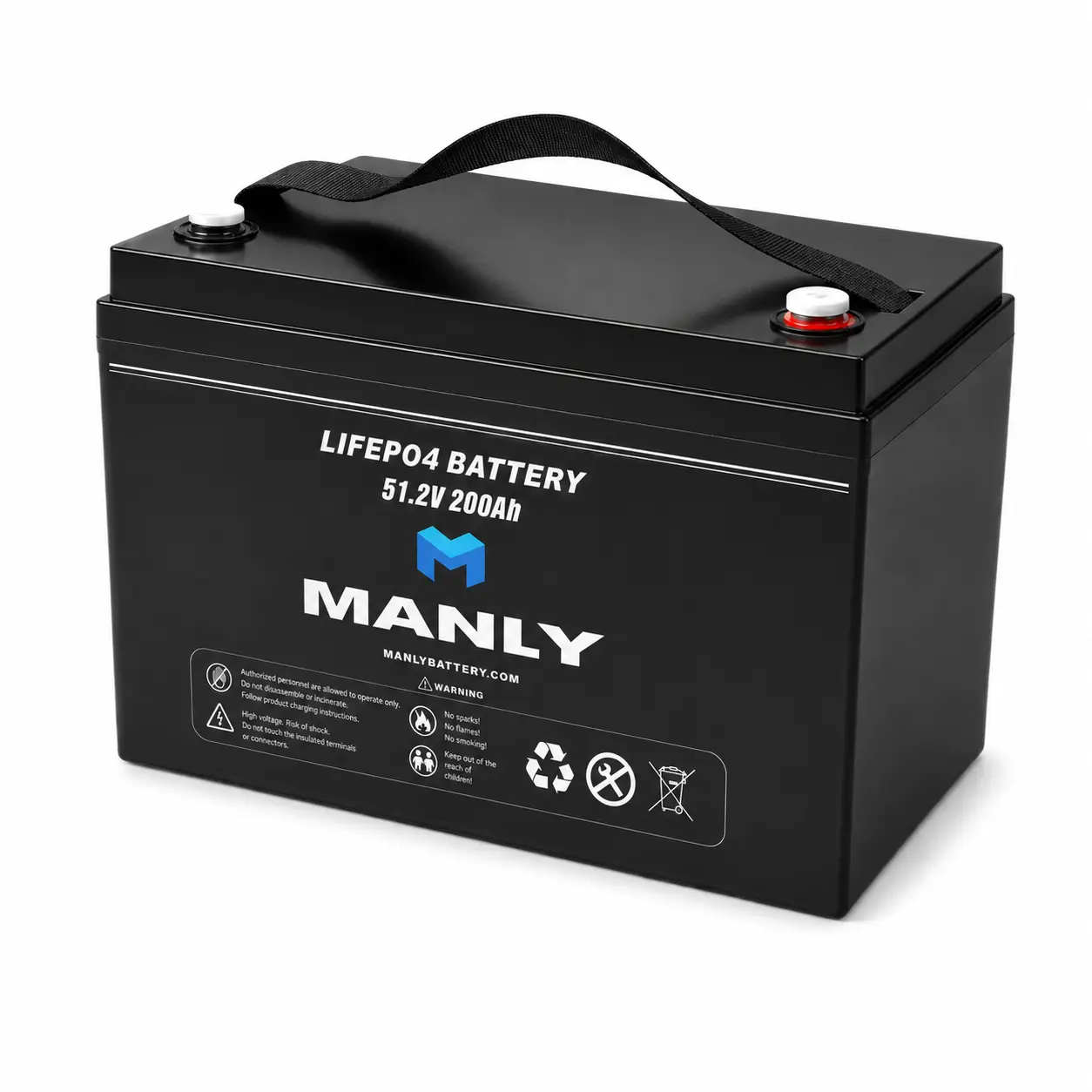
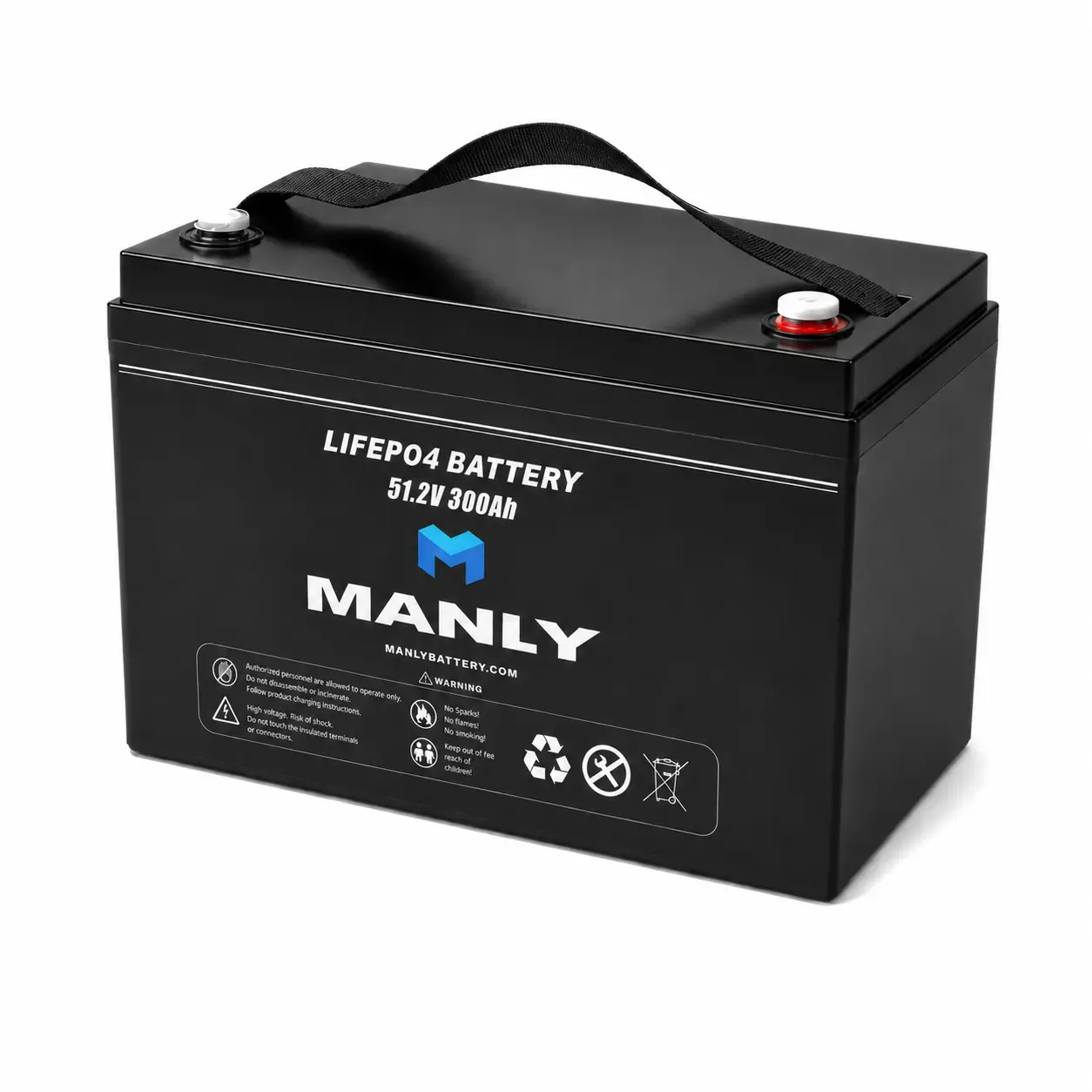
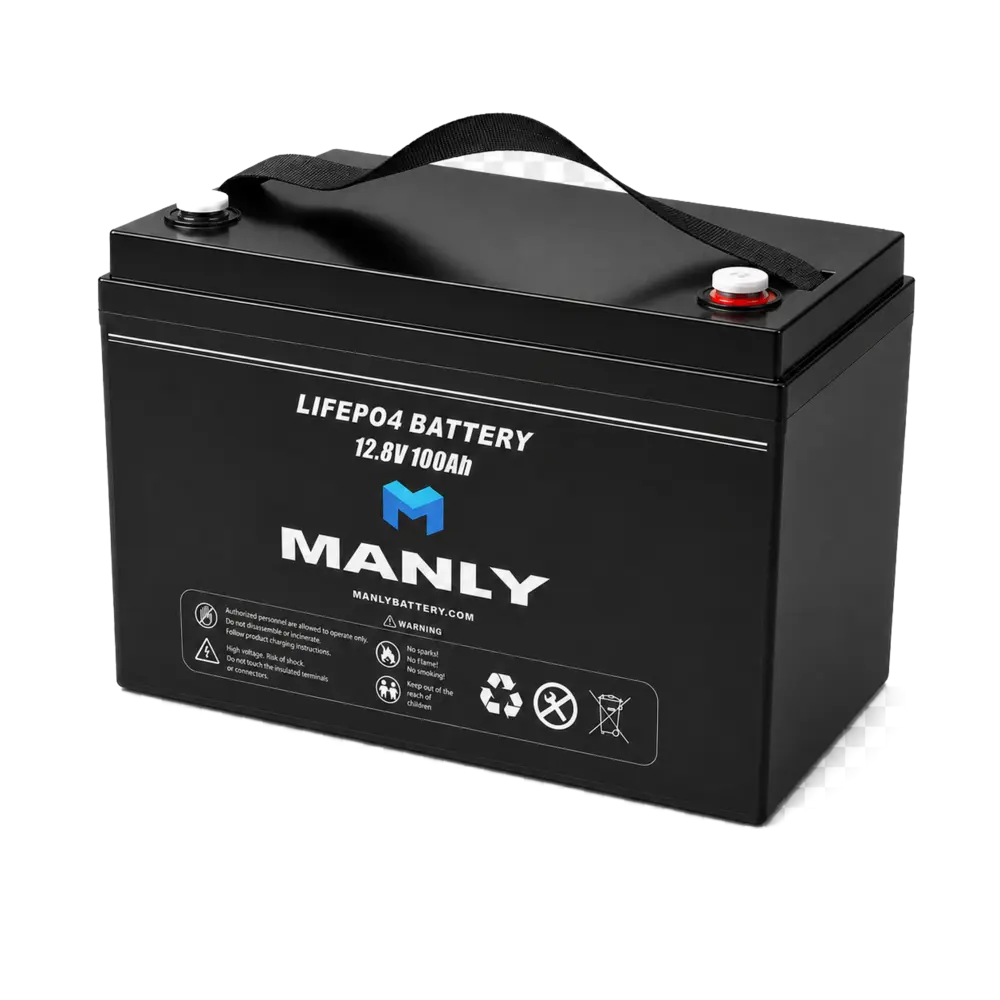
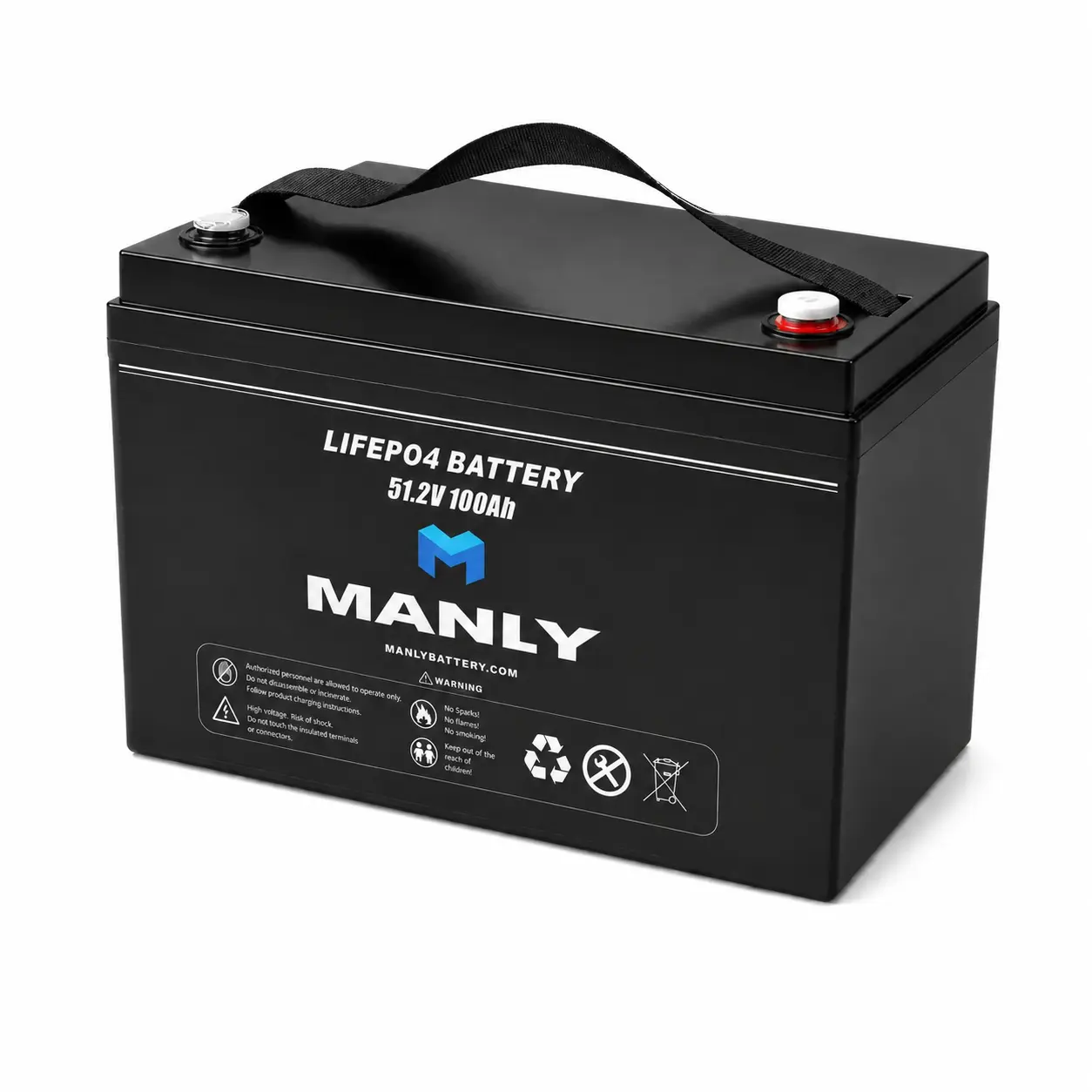
12.8V, 25.6V and 51.2V standard and heated battery models for caravans, campervans and motorhomes.
MATCHING CHARGER
Select the charger around the battery voltage, capacity and the RV's alternator, shore-power and solar charging architecture.
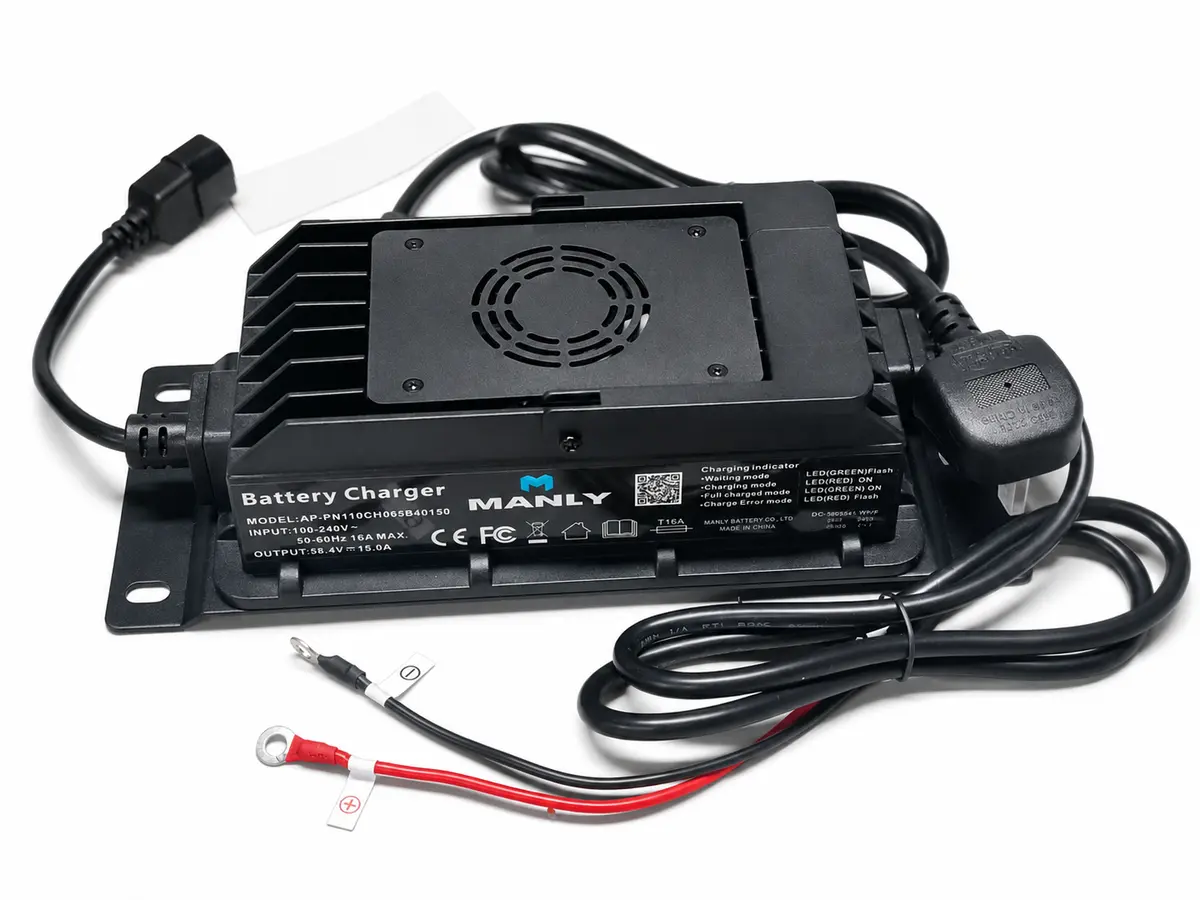 Reference charger format
Charge voltage and current are selected for the exact 12.8V, 25.6V or 51.2V battery and reviewed against the vehicle charging architecture.
Compatibility is confirmed against the exact battery model, charging source, connector and installation before order.
RV BATTERY FAQ
Select around daily energy use, charging sources, inverter surge and cold-weather operation.
View all frequently asked questions12.8V is common for conventional house systems, while 25.6V and 51.2V suit higher-power architectures. Capacity should be based on daily usable energy, inverter load, recharge time and available installation space.
 Featured
 Featured